Jewish text and belief indicates that every person is equal to an entire world. The Tanakh, specifically Mishlei, says to “educate each child according to their way.”
That is the mission that the nonprofit Sulam will celebrate at its annual benefit, this year on April 30.
“In Judaism, we believe that every person has a unique capability to contribute to the world, and if they don’t get to contribute to the world, the world remains incomplete,” said Lianne Heller, Sulam’s executive director of 11 years.
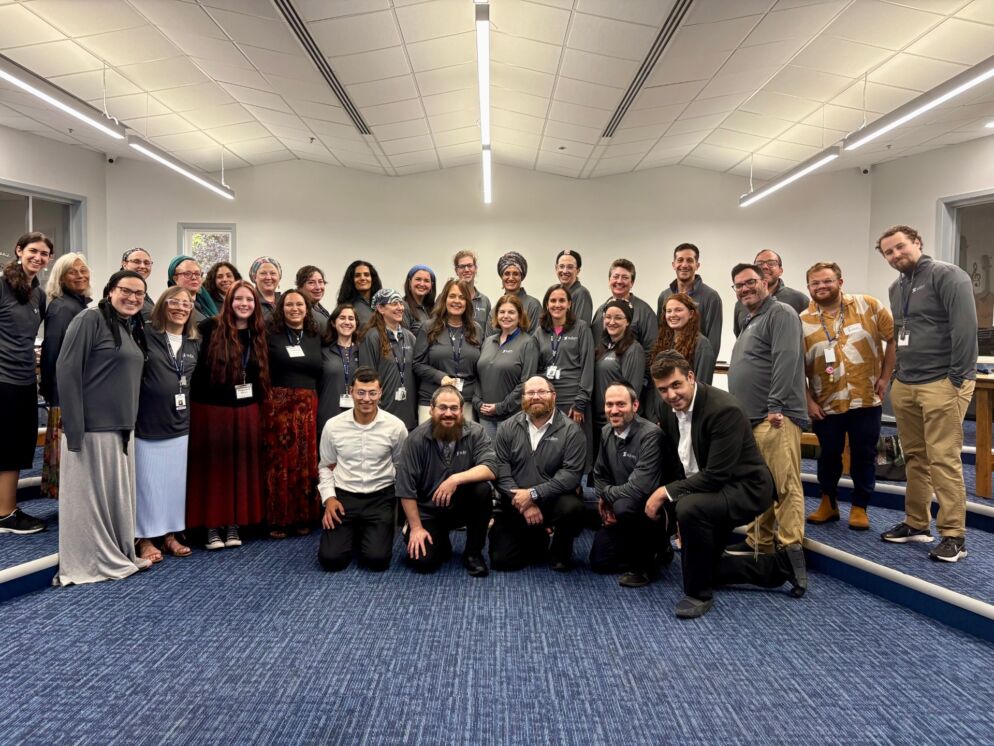
Sulam, “ladder” in Hebrew, is a special education inclusion program that provides educational, social and emotional support for students with disabilities in select Jewish day schools. Currently, Sulam staff work closely with a total of 52 students at Berman Hebrew Academy and Charles E. Smith Jewish Day School.
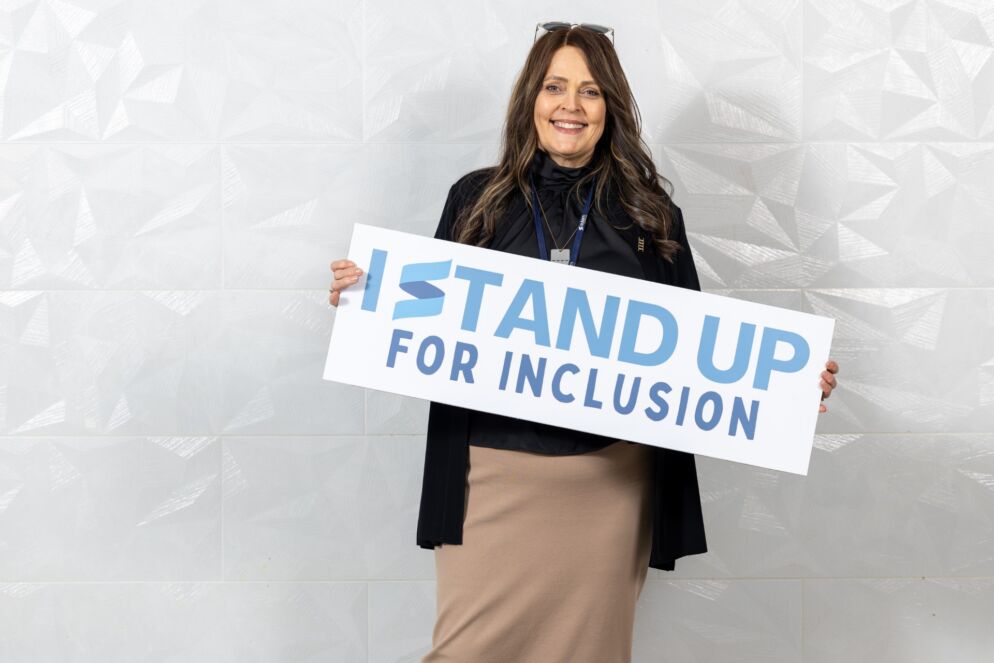
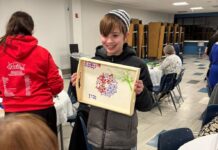
Sulam students learn in classrooms alongside their peers with the added support of specialized educators. “We do that in many, many ways — it takes a large team of people,” Heller said.
A student with autism who might be “academically capable,” but struggle with executive function, socializing or emotional regulation may be assigned a Sulam social worker. For a child with academic challenges, Sulam sends a special educator into the classroom.
“Our mission is to create for every child a sense of belonging in their community,” Heller said.
This belonging, Heller said, isn’t a luxury, but rather a human need.
“Belonging is right at the center of Maslow’s hierarchy of needs,” she said. “What does it mean to belong? … I feel valued, I feel respected and I feel part of a community.”
Bernard Suissa, a Berman parent and event host of this year’s Sulam benefit, said Sulam’s mission resonates with him.
“They’re all about inclusion and leveling the playing field for all children, so everyone gets a top-notch education without the stigma of them being in a different program,” Suissa said.
His oldest son, a fifth grader, is in his third year with Sulam at Berman.
“I think the beauty of what they do is they try to keep the kid at [the school] as much as possible, in his grade with his peers,” Suissa said.
Sulam students either have a “helper” in particular classes or are pulled out for smaller group sessions.
“They do an amazing job at making sure your kid still feels like they’re a Berman student with all their friends, but then give them that extra assistance,” Suissa said. “That’s how they helped us, and my son, Joshua, has grown leaps and bounds over the last three years.”
Sulam’s offerings benefit the entire school community, according to Heller.
“Not only do the students themselves benefit from special education services we provide … but by having neurodiverse children in a general education school, you’re teaching all the rest of the children about inclusion, about kindness, about compassion, about welcoming,” she said.
Heller added that such diversity strengthens a learning environment because “everybody has something to offer.”
“These kids that think out of the box and think differently bring ideas, information and creativity that otherwise wouldn’t be there,” Heller said. “It really does elevate the entire school community to have diverse learners included.”
Sulam was launched in 1998 by a group of mothers who were determined to provide their neurodiverse children with both a Jewish and secular education. The program was first introduced at the Torah School of Greater Washington before launching at Berman, where it serves students from kindergarten through 12th grade.
In fall 2022, Sulam expanded to CESJDS’ Lower School.
Suissa, the former longtime president of an Orthodox Jewish day school in Los Angeles, spoke to the importance of an inclusive program such as Sulam.
“Some people, some other schools — it’s really sad — give up on these kids. They can’t handle them,” Suissa said. “They either have behavioral issues [or] they can’t afford the school, so [Jewish day schools] just reject them and send them to public school.”
The now closed Perutz Etz Jacob Hebrew Academy in West Hollywood held the belief that “every child deserves a Jewish education. We’re going to take them in.”
“That’s the same philosophy Sulam has adopted,” Suissa said. “These are great kids. They just learn differently, and they deserve to have a top-notch Jewish education in a Jewish environment.”
But special education comes at a cost. Tuition for Sulam at CESJDS is an additional $17,045 per academic year for one student on top of the base fee.
“Tuition is expensive,” Heller said. “And then when you think about special education, it’s actually much, much more because you’ve got a team of highly specialized personnel who work with every [Sulam] child, so the student-teacher ratio shoots up exponentially.”
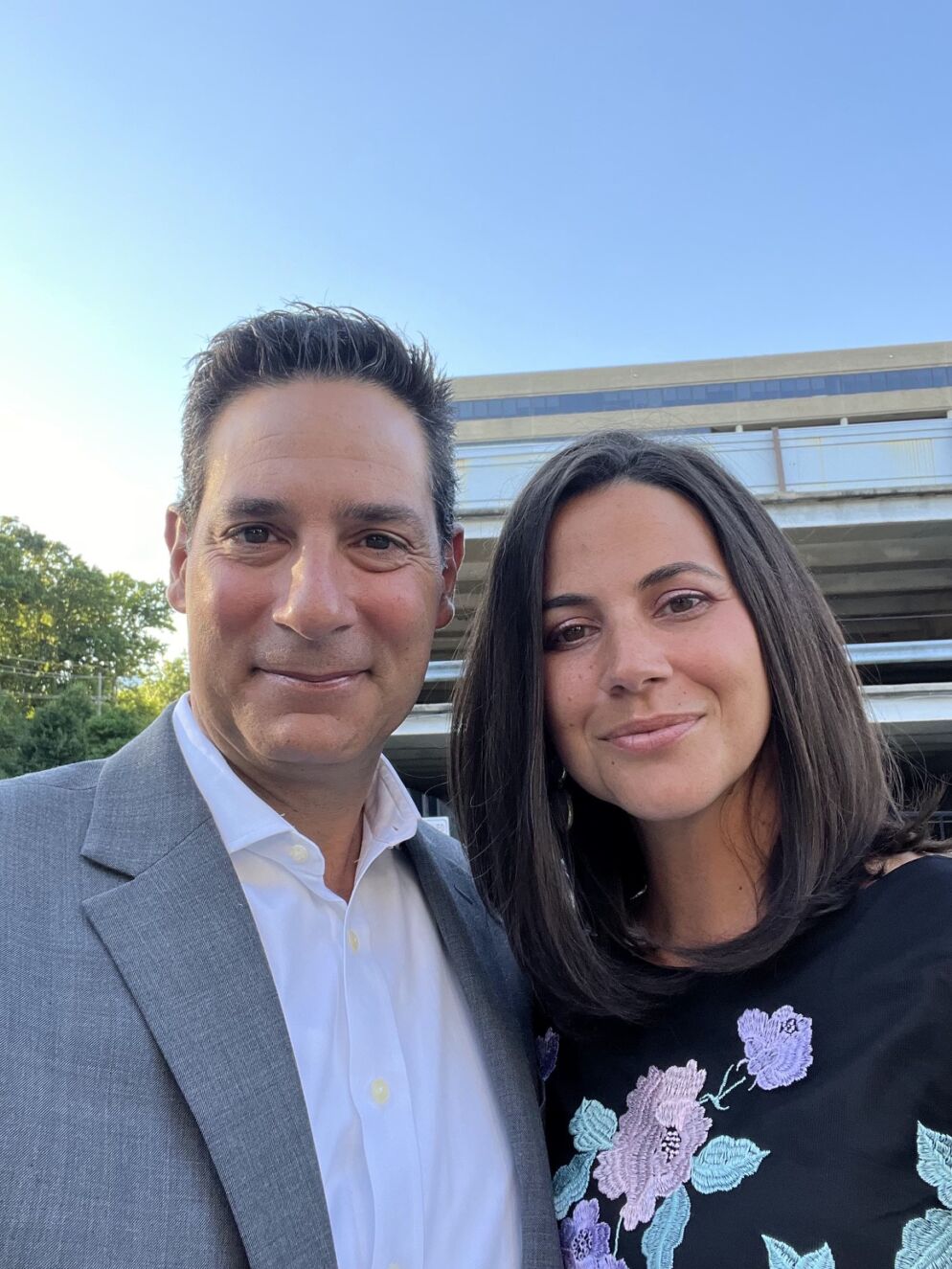
For this reason, Suissa and his wife, Rebecca, are among the 132 donors who contributed to Sulam’s 2026 campaign.
“Finances are very challenging and will always continue to be, but I think that the community has grown to see the value of the work we do, and we are very thankfully supported by incredible people to make sure we can continue to provide the services we provide,” Heller said.
Sulam currently does not receive any government funding — the annual benefit is its major fundraising event. The April 30 event will feature Israeli comedian and actor Yohay Sponder and a Sulam graduate who will share her story.
“It’s a beautiful success story,” Heller said.